Boost Your Production Top Quality With Professional CNC Machining Services in Milling and Turning
CNC machining services in milling and turning offer significant advantages for making operations. These processes ensure precision and efficiency, important for producing high-grade elements. With innovative technology and competent machinists, businesses can achieve remarkable surfaces and elaborate styles. Comprehending the nuances of these solutions is vital for optimizing their advantages. What factors should firms think about when selecting the appropriate CNC machining companion?
Comprehending CNC Machining and Its Advantages
Although lots of making procedures exist, CNC machining attracts attention as a result of its accuracy and performance - fast prototyping. This advanced production method makes use of computer-controlled machines to produce intricate get rid of marginal human intervention. By automating the machining procedure, it significantly reduces the probability of human mistake, making certain consistent high quality across production runs
CNC machining supplies various advantages that appeal to various industries. To start with, it suits intricate designs that typical approaches might have a hard time to achieve. The rate of production is improved, allowing for quicker turn-around times and boosted output. In addition, CNC machining is versatile, appropriate for a wide variety of materials, consisting of plastics, metals, and composites.
The procedure allows for simple adjustments, enabling quick prototyping and customization without considerable retooling. Consequently, businesses can respond promptly to market demands, making CNC machining an important component of modern-day production strategies.
The Value of Precision in Milling Processes
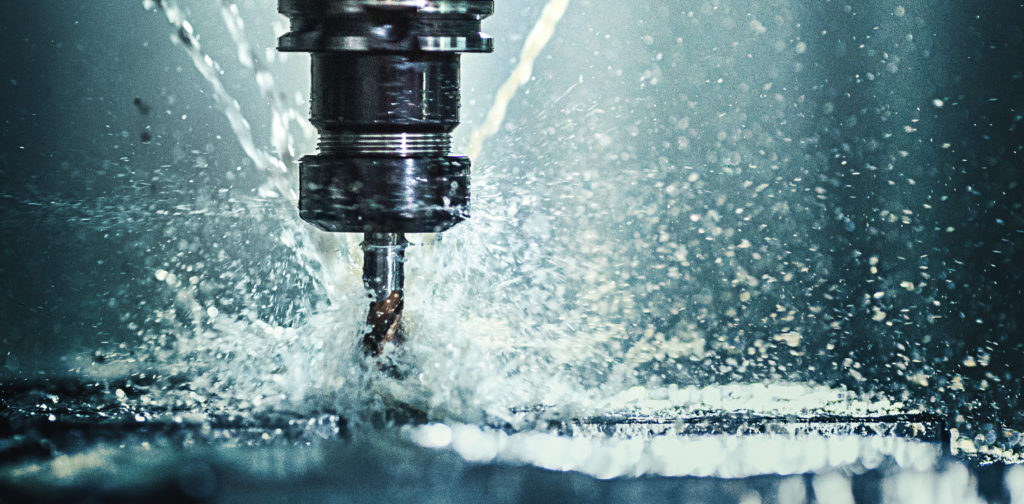
Accuracy is important in crushing processes, as it directly affects the accuracy of the final product. The selection of materials also plays a substantial duty, affecting just how well the machining process fulfills specified tolerance standards. Recognizing these aspects is important for achieving ideal cause CNC machining.
Function of Accuracy
Attaining high degrees of accuracy is vital in grating processes, as even the tiniest variance can cause significant errors in the final product. Accuracy in CNC machining straight affects the efficiency, capability, and long life of the manufactured parts. Accurate crushing assurances that tolerances and measurements are satisfied, which is important for components that should mesh flawlessly in setting up or operate under certain problems. Furthermore, the role of precision encompasses minimizing waste and rework, therefore improving total production efficiency. Advanced CNC makers equipped with innovative software application and tooling add to obtaining the necessary precision. By focusing on accuracy in milling, producers can guarantee top quality results that satisfy stringent sector standards and customer assumptions.
Product Choice Influence
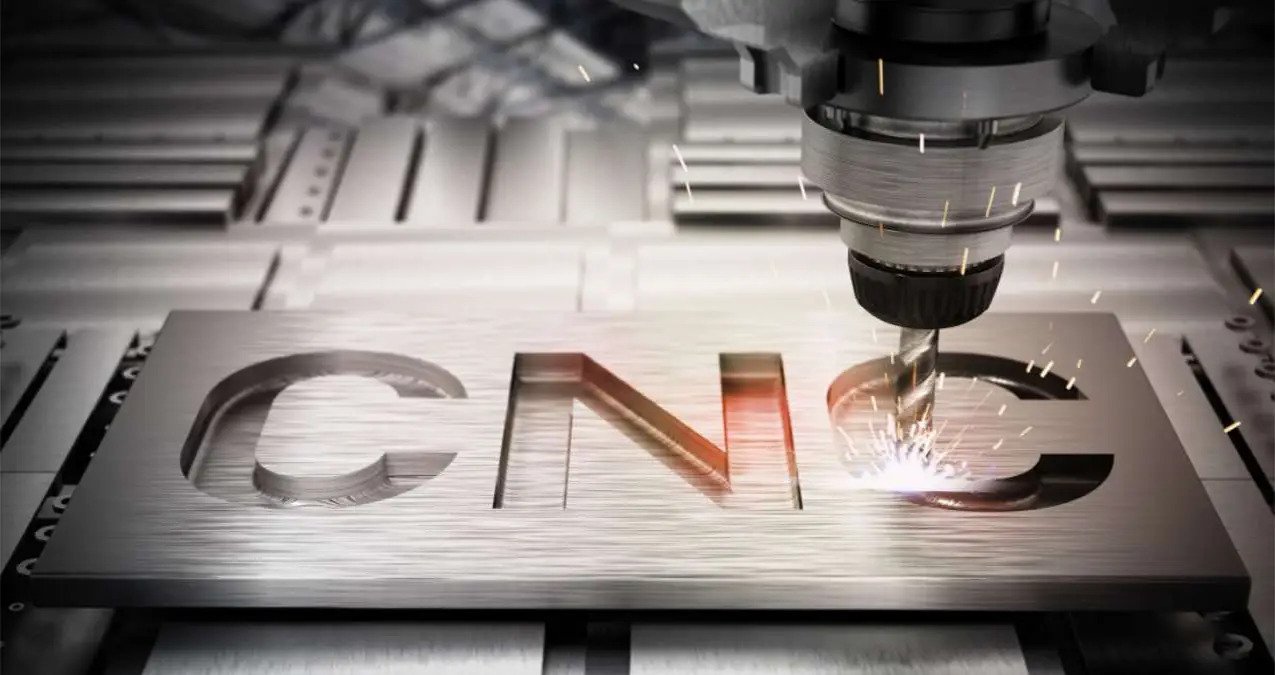
Material option plays an essential duty in the milling procedure, influencing both the top quality of the end product and the efficiency of manufacturing. Different materials display distinct residential or commercial properties such as hardness, tensile stamina, and machinability, which directly impact the milling strategy utilized. For example, more challenging products might require customized tools and slower feed prices to stop device wear and maintain accuracy. Alternatively, softer products can be milled at greater rates but might do not have longevity. In addition, the choice of product can influence surface coating and dimensional accuracy, necessitating careful consideration by suppliers. Inevitably, choosing the ideal material not just improves item efficiency but also optimizes the milling process, decreasing waste and improving overall performance.
Resistance Specifications Importance
While the option of products is important, adherence to resistance standards is similarly vital in CNC machining processes. Tolerance criteria determine the allowable limits of variant in measurements, guaranteeing components fit and work correctly. In milling and transforming procedures, exact tolerances boost item quality, lower waste, and reduce rework. When tolerances are accurately preserved, producers can accomplish constant outcomes, which is crucial for industries such as aerospace, auto, and clinical tools, where precision is paramount. Variances from developed standards can result in assembly concerns, compromised performance, and boosted expenses. Subsequently, understanding and implementing appropriate resistance requirements is basic for any type of CNC machining solution seeking to maintain high production top quality and fulfill customer requirements properly.
Enhancing Effectiveness Via Advanced CNC Transforming
Advanced CNC transforming techniques substantially enhance effectiveness in component creation by guaranteeing high precision in manufacturing. This boosted accuracy not only boosts the general top quality of the components produced but also contributes to decreased production time. Therefore, manufacturers can accomplish better result while keeping rigid quality requirements.
Precision in Part Production
CNC transforming technology has changed precision in component production, making it possible for manufacturers to achieve extraordinary precision and effectiveness. Using computer-controlled lathes, this innovative process meticulously forms materials into complex layouts, guaranteeing limited tolerances that satisfy requiring specs. The automation integral in CNC transforming decreases human mistake, causing constantly high-grade components tailored to specific requirements. Furthermore, the ability to rapidly customize digital designs enables for rapid models, boosting the modification of parts without compromising precision. Because of this, industries varying from aerospace to vehicle benefit substantially from these advancements, as they can produce complex geometries easily. Eventually, CNC turning stands as a cornerstone of modern-day production, driving precision and integrity in element creation.
Decreased Manufacturing Time
Trick Technologies in CNC Machining
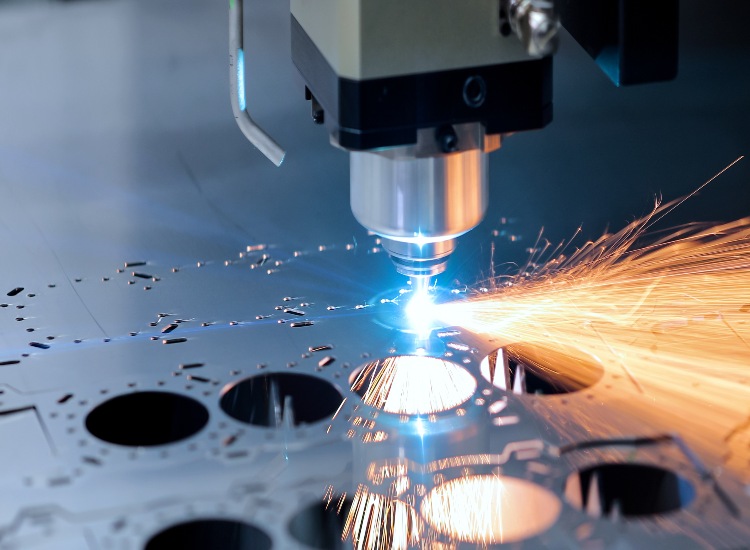
Numerous key innovations drive the effectiveness and precision of CNC machining, making it possible for suppliers to generate intricate parts with high accuracy. Central to these innovations are Computer system Assisted Style (CAD) and Computer Helped Production (CAM) software application, which improve the design-to-production process. CAD enables detailed styles to be developed and adjusted digitally, while camera equates these designs right into maker guidelines.
Better boosting accuracy are multi-axis machining facilities, which allow cutting tools to move along several axes all at once, reducing the need for numerous configurations - tool and die you could try this out maker. Furthermore, innovations in tooling materials and finishings have improved resilience and efficiency, permitting much better surface finishes and expanded tool life
Automation modern technologies, including robotics and smart software, assist in real-time surveillance and modifications during manufacturing, guaranteeing uniformity and high quality. Collectively, these innovations not just improve manufacturing capacities however additionally add to the general reliability of CNC machining services.
The Role of Skilled Machinists in High Quality Manufacturing
Knowledgeable machinists play a vital function in guaranteeing the quality and accuracy of CNC machining production. Their proficiency straight influences the result of producing procedures, as they analyze technological drawings, established machines, and select ideal devices for every task. By having a deep understanding of machining principles, they can make real-time changes to maximize performance and keep tight tolerances.
Experienced machinists utilize their analytical abilities to determine and correct concerns during manufacturing, making sure and protecting against issues that the final items fulfill rigid quality requirements (cnc turning service). Their familiarity with various materials and machining strategies allows them to adjust to diverse project requirements, improving overall efficiency
Additionally, these professionals commonly work together with engineers and designers, giving useful understandings that contribute to the constant enhancement of manufacturing approaches. Inevitably, the relevance of proficient machinists in CNC machining can not be overemphasized, as they form the foundation of high-quality production procedures.
Decreasing Waste and Optimizing Resources
Reliable CNC machining not just depends on the knowledge of experienced machinists yet additionally emphasizes the value of lowering waste and maximizing sources throughout the production process. By utilizing sophisticated modern technologies and precise programs, suppliers can reduce material waste, making sure that every piece of resources is used effectively.
Integrating strategies such as nesting, where components are prepared to take full advantage of material use, can especially decrease scrap manufacturing. In addition, real-time tracking of equipment efficiency enables prompt changes, preventing overflow and resource exhaustion.
Additionally, carrying out sustainable techniques, such as reusing steel shavings and making use of green materials, adds to both cost financial savings and ecological duty.
Via these steps, CNC machining solutions can boost performance while preserving top notch requirements, inevitably resulting in an extra lasting and rewarding procedure. By prioritizing source optimization, organizations can accomplish greater effectiveness and a minimized ecological footprint in their manufacturing processes.
Picking the Right CNC Machining Service for Your Demands
Exactly how does one establish the most effective CNC machining solution for specific task needs? Selecting the appropriate CNC machining solution includes a number of crucial factors to consider. Initially, project specs, including material measurements, types, and tolerances, should be plainly specified. This ensures that the chosen service can meet the technological needs of the task.
Second, examining the company's knowledge and experience in the appropriate industry can provide insights into their abilities. Analyzing past tasks and customer testimonials can even more inform the choice.
Third, evaluating the offered modern technology and equipment is important, as advanced equipment frequently leads to higher accuracy and efficiency.
Finally, cost and turn-around time should be taken into consideration to assure the solution aligns with monetary restraints and deadlines. By meticulously examining these aspects, organizations can identify the CNC machining solution that ideal fits their special production requirements.
Regularly Asked Concerns
What Materials Can Be Used in CNC Machining?
CNC machining can make use of a selection of materials consisting of steels like light weight aluminum, titanium, and steel, as well as plastics such as acrylic and nylon, and compounds, offering flexibility for different manufacturing applications and industries.
The length of time Does a Typical CNC Machining Project Take?
A common CNC machining task can take anywhere from a few days to a number of weeks, depending on elements such as complexity, material kind, design specifications, and production quantity. Timelines vary based upon project needs and urgency.
Are CNC Machining Provider Ecologically Friendly?
CNC machining solutions can be eco friendly, particularly when utilizing sustainable products and efficient procedures. Waste decrease and energy-efficient equipment add to a lower ecological influence, making these services a practical choice for eco-conscious production.
What Industries Frequently Use CNC Machining Providers?
CNC machining services are typically used in numerous sectors, including automotive, aerospace, electronics, clinical tools, and manufacturing. These sectors rely upon accuracy machining for parts that call for high accuracy, efficiency, and repeatability in manufacturing processes.
Just How Can I Prepare My Layouts for CNC Machining?
To prepare designs for CNC machining, one ought to assure correct file layouts, maximize dimensions for tolerance, integrate necessary machining features, and take into consideration material properties. Additionally, supplying in-depth documents can improve the production process's performance and accuracy.
While the choice of materials is essential, adherence to resistance requirements is just as critical in CNC machining processes. Competent machinists play a necessary duty in guaranteeing the top quality and accuracy of CNC machining manufacturing. A common CNC machining project can take anywhere from a few days to numerous weeks, depending on aspects such as complexity, material type, layout requirements, and manufacturing quantity. CNC machining services can be eco friendly, especially when read more making use of effective procedures and lasting materials. To prepare designs for CNC machining, one need to guarantee appropriate documents formats, enhance measurements for resistance, include essential machining attributes, and consider material residential or commercial properties.